Metro access, foothills proximity, and room to get outside.
Arvada sits on the west side of the Denver metro area, giving residents access
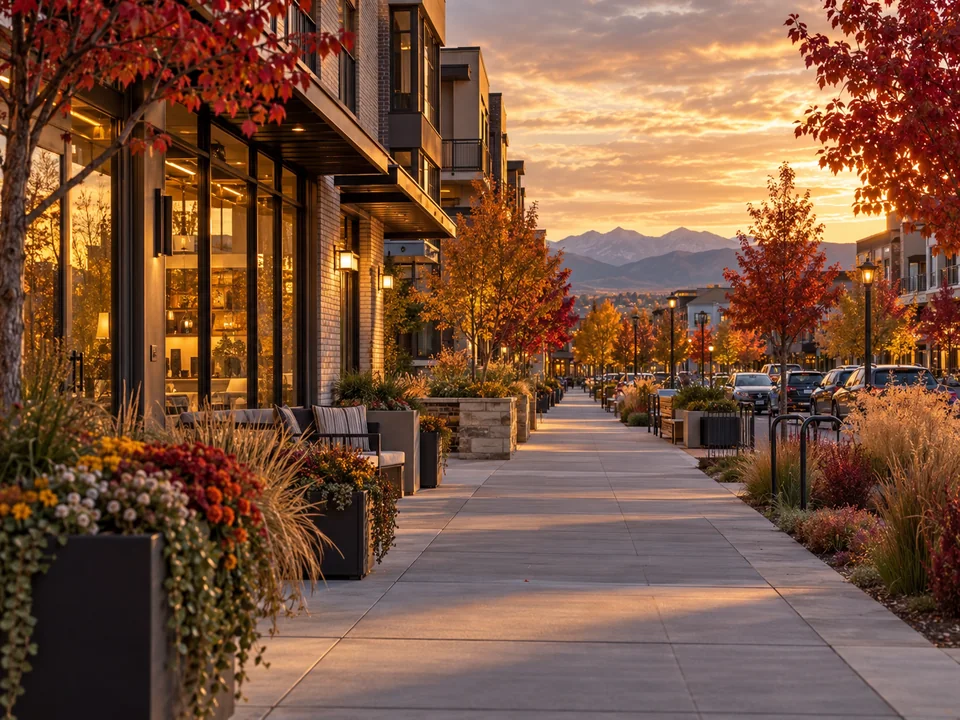
to both Denver and the foothills. Olde Town provides a more walkable historic
core with dining, businesses, events, and commuter rail access, while other
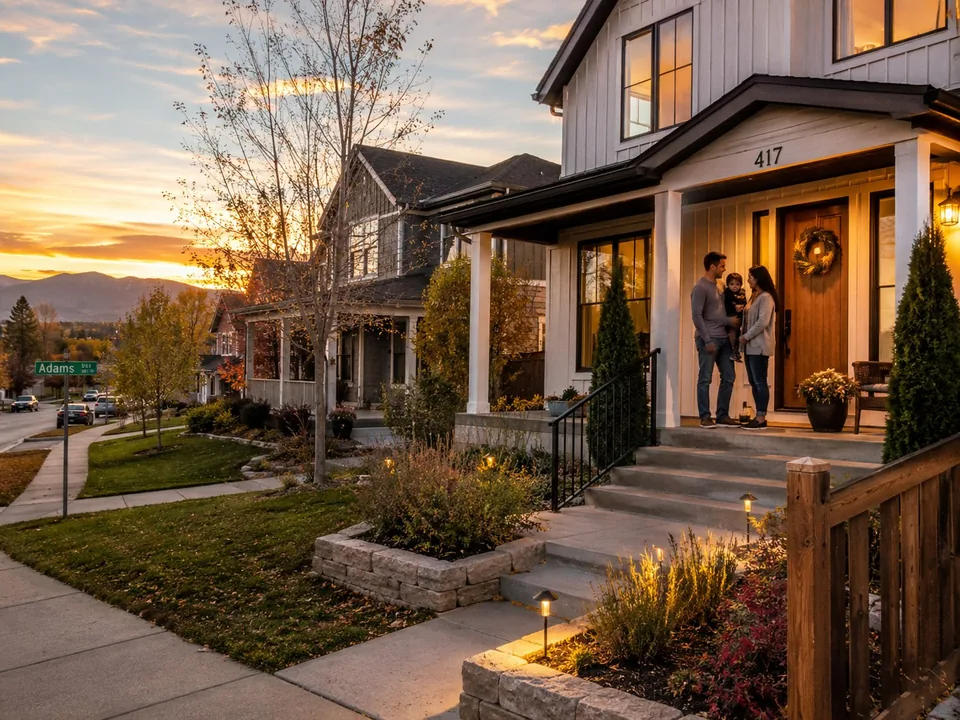
parts of Arvada range from mature residential streets to newer master-planned
neighborhoods farther west and northwest.
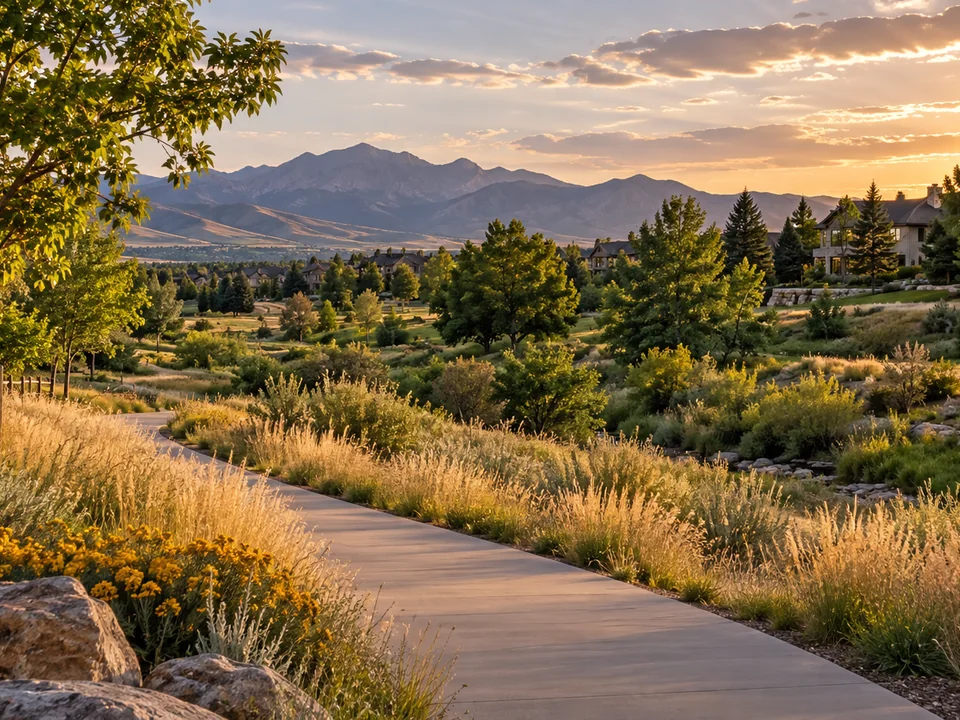
Outdoor access is a meaningful part of the city's layout. Arvada maintains a
large trail and open-space system, including major east-west routes such as
Ralston Creek Trail, Little Dry Creek Trail, and Van Bibber Creek Trail. For
buyers, that means the practical comparison is often not simply “Arvada or not,”
but which combination of housing style, commute, trail access, lot, and location
best fits the way you expect to use the area.
Olde Town + G Line
Olde Town Arvada is served by RTD's G Line commuter rail, connecting the area
with Denver Union Station and other northwest metro stations.
150+ miles of trails
The City of Arvada reports a trail network of more than 150 miles across
primary, local, and regional routes.
3,200+ acres
Arvada's Parks and Open Space division maintains more than 3,200 acres of
non-irrigated open-space land throughout the city.
Established + newer homes
Buyers can compare mature neighborhoods, attached housing, infill, and
newer-home communities rather than being limited to one housing era.
West-side access
Arvada's position makes it practical to compare Denver-oriented commuting
with access toward Golden, Boulder-area routes, and the foothills.
Property-specific decisions
Neighborhood, home age, lot, condition, and location can vary substantially,
which makes property-level comparison more useful than broad city averages.