
Inspect structure, roof, HVAC, electrical, plumbing, windows, and other major systems.
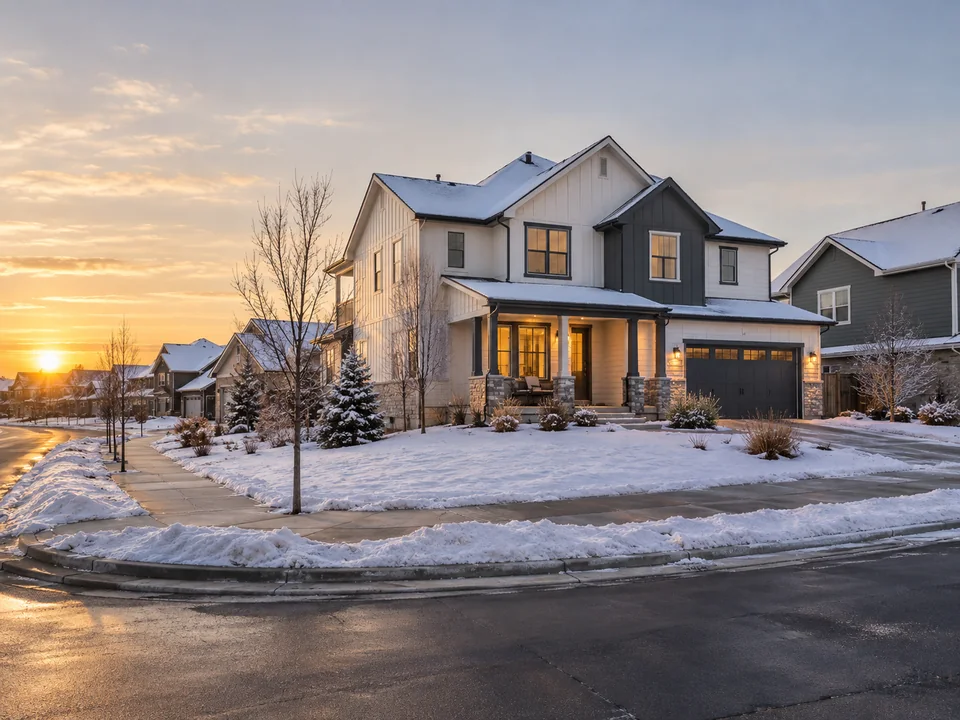
Eastlake · Thornton, Colorado
Eastlake Real Estate and Neighborhood Guide
A property-specific guide to Thornton's historic Eastlake neighborhood, small-lot character, older homes, N Line context, condition, buying strategy, and home value.
Josiah Butler, REALTOR® · Brokered by Real Broker, LLC
Historic Context1911 Plat
Thornton ContextJoined 1990
TransitN Line
Key LensCondition + Lot
Eastlake at a Glance
Eastlake has a genuinely different street, lot, and ownership pattern.
Thornton planning describes Eastlake as an early-20th-century railway village with a recorded 1911 small-lot grid.
The City says Eastlake was incorporated into Thornton in 1990 and now has direct N Line station-area planning at 124th Avenue.
For real estate, compare the exact home's systems, additions, lot, parking, permits, drainage, and relationship to the station area.
Homes and Neighborhood Character
What changes from one Eastlake property to another.
Verify boundaries, setbacks, drainage, usable outdoor space, garage placement, and alley access.
Review additions, remodels, workmanship, and available permit records.
Confirm garage, driveway, alley, and street-parking conditions.
Test the actual walk, train exposure, parking, and station-area relationship.
Use similar age, condition, lot, parking, and exact Eastlake location.
Buying in Eastlake
Buy the exact property, not the neighborhood label.
Historic character is valuable only after the property itself works. Pair inspection and title work with review of older-home systems, additions, lot boundaries, parking, permits, drainage, and station-area context.
- Inspect structure, roof, HVAC, electrical, plumbing, windows, and other major systems.
- Verify boundaries, setbacks, drainage, usable outdoor space, garage placement, and alley access.
- Review additions, remodels, workmanship, and available permit records.
- Confirm garage, driveway, alley, and street-parking conditions.
- Test the actual walk, train exposure, parking, and station-area relationship.
Selling in Eastlake
Make the property easy for buyers to compare.
Position the home around what buyers can verify: systems, renovations, permits, lot, parking, exterior condition, and exact block rather than relying on Eastlake's name alone.
- Inspect structure, roof, HVAC, electrical, plumbing, windows, and other major systems.
- Verify boundaries, setbacks, drainage, usable outdoor space, garage placement, and alley access.
- Review additions, remodels, workmanship, and available permit records.
- Confirm garage, driveway, alley, and street-parking conditions.
- Test the actual walk, train exposure, parking, and station-area relationship.

Local Context
Eastlake's N Line and historic planning context are real, but convenience is address-specific.
Thornton identifies Eastlake at 124th as the N Line's current temporary end-of-line station area. Verify the actual walking route, train exposure, parking, streetscape, and nearby redevelopment from the property.
Ownership Due Diligence
Verify today's records for today's decision.
Use current title, property boundaries, permits, zoning, insurance, tax information, and physical inspection to answer today's ownership questions. Historic context should not substitute for current City records.
- Confirm title, legal description, boundaries, and easements.
- Review current governing documents and fees when applicable.
- Verify insurance, taxes, permits, and significant improvements.
- Use inspection work to confirm property-specific condition.
Eastlake Homes
A focused Eastlake home search is coming soon.
The live neighborhood home-search experience is being prepared. Until it launches, use Private Search to tell Josiah exactly what you want.
Home Search · Coming SoonLive Eastlake listings will appear here.
Share your price range, property type, condition preferences, location priorities, timing, and the features that matter most.
Eastlake FAQ
Eastlake questions, answered.
Is Eastlake a historic Thornton neighborhood?
Yes. Thornton planning describes Eastlake as an early-20th-century railway village with a recorded 1911 plat.
When did Eastlake become part of Thornton?
Thornton states that Eastlake was incorporated into the city in 1990.
Does Eastlake have commuter rail?
Yes. Eastlake at 124th is an N Line station area and Thornton identifies it as the current temporary end of line.
What should buyers inspect closely?
Focus on systems, additions, permits, drainage, lot configuration, parking, title, and the property's station-area context.
How should an Eastlake seller estimate value?
Use the closest relevant Eastlake comparables and adjust for age, condition, renovations, lot, parking, exact location, and current competition.
Neighborhood information is general guidance. Verify current City records, title, governing documents when applicable, insurance, condition, zoning, permits, fees, and property-specific obligations. Sources: Thornton Eastlake planning, Thornton station-area plans, RTD N Line.
← Back to Thornton Real EstateExplore More Thornton Guides